


- Introduction to Behavioral Marketing Strategies
- Understanding the Psychology Behind Behavioral Marketing Strategies
- Core Principles of Behavioral Marketing Strategies
- How Behavioral Marketing Strategies Work in Practice
- Key Components of Effective Behavioral Marketing Strategies
- Types of Behavioral Marketing Strategies Used by Successful Brands
- Behavioral Marketing Strategies: The Complete Guide for Modern Marketers
- The Role of Data in Behavioral Marketing Strategies
- Integrating Behavioral Marketing Strategies with Digital Campaigns
- Tools and Technologies Powering Behavioral Marketing Strategies
- Behavioral Marketing Strategies for E-Commerce Businesses
- Challenges in Implementing Behavioral Marketing Strategies
- Case Studies: Brands Winning with Behavioral Marketing Strategies
- The Future of Behavioral Marketing Strategies
- Conclusion: Why Every Marketer Needs Behavioral Marketing Strategies
- FAQs About Behavioral Marketing Strategies
Modern marketing has evolved far beyond catchy slogans and one-size-fits-all advertising. Behavioral Marketing Strategies represent a cutting-edge approach to understanding consumers based on their real actions—what they click, search, buy, or even ignore. Unlike traditional methods that focus on demographics alone, behavioral marketing taps into the psychology of consumer behavior to deliver hyper-personalized messages.
Introduction to Behavioral Marketing Strategies
With Behavioral Marketing Strategies, businesses collect and analyze behavioral data to predict what customers want before they even realize it themselves. This data-driven marketing approach enhances customer engagement and retention, helping brands connect with audiences on a deeper emotional level. In an age where personalization drives conversions, leveraging behavioral insights has become the secret weapon for brands that want to stand out from the noise.
By studying user interactions across platforms—emails, websites, and apps—marketers can deliver experiences that feel tailor-made for every individual. These Behavioral Marketing Strategies not only improve ROI but also help companies foster long-term customer loyalty. The era of guesswork is over; data-backed personalization is now the foundation of effective marketing.
What are Behavioral Marketing Strategies?
Behavioral Marketing Strategies are techniques that use insights from real-time customer behavior to create more relevant and personalized marketing experiences. Instead of relying on assumptions or static demographics, this approach analyzes how customers interact with a brand—such as their browsing patterns, past purchases, or email engagement. The goal is to deliver messages that align perfectly with their interests and timing.
At its core, behavioral marketing is about understanding consumer intent. By observing patterns like what pages a user visits or how long they stay, businesses can predict future actions using predictive analytics. For example, if someone frequently views fitness products, behavioral targeting may show them workout gear or related supplements.
Through these Behavioral Marketing Strategies, marketers segment audiences not just by who they are, but by what they do. This allows for personalized marketing that feels intuitive rather than intrusive. Consumers today expect brands to “know them,” and behavioral marketing is the data-driven solution that makes this possible.In essence, Behavioral Marketing Strategies transform marketing from a broadcast into a conversation—one that listens, learns, and responds intelligently to customer behavior in real time.
Why Behavioral Marketing Strategies Are Essential for Modern Businesses
In today’s competitive market, using Behavioral Marketing Strategies isn’t optional—it’s essential for survival. Consumers are bombarded with thousands of ads daily, but only those that feel relevant and personalized manage to capture attention. That’s where behavior-based marketing shines.
Modern customers expect brands to understand their needs, preferences, and timing. By using Behavioral Marketing Strategies, companies can analyze customer journeys to deliver messages that resonate with each stage—whether it’s awareness, consideration, or decision. This data-driven approach helps reduce marketing waste and ensures that every impression counts.
Moreover, businesses that employ behavioral segmentation and targeting achieve higher engagement rates and better ROI. According to research, brands that use personalized marketing see up to 20% more sales opportunities. These Behavioral Marketing Strategies empower businesses to create meaningful experiences that build trust and drive loyalty.In a nutshell, Behavioral Marketing Strategies bridge the gap between what customers say they want and what their behavior reveals. When brands act on those insights, they not only increase conversions but also position themselves as truly customer-centric. This transformation from mass marketing to data-driven personalization is what sets modern businesses apart in the digital age.
The Evolution from Traditional to Data-Driven Marketing

Marketing has undergone a dramatic transformation over the last decade—from generic advertising to highly personalized experiences powered by Behavioral Marketing Strategies. Traditional marketing relied heavily on assumptions, intuition, and broad demographics. While it helped reach large audiences, it often lacked precision.
Enter data-driven marketing. Today, brands can track nearly every digital interaction, giving rise to smarter Behavioral Marketing Strategies that respond directly to user actions. Instead of running the same ad for everyone, businesses now use behavioral data to create dynamic content—ads, emails, and offers tailored to individual preferences. This evolution marks the shift from mass marketing to micro-targeting.
The rise of AI and predictive analytics has accelerated this change. Tools now analyze patterns in consumer behavior to anticipate needs and recommend the next best action. For example, Netflix uses Behavioral Marketing Strategies to suggest shows based on viewing history, while Amazon recommends products using similar algorithms.Ultimately, the evolution to data-driven marketing has given businesses the power to deliver experiences that feel human, timely, and relevant. This isn’t just marketing—it’s intelligent engagement built on the science of behavior.
Understanding the Psychology Behind Behavioral Marketing Strategies
Every successful marketing campaign begins with one essential element—understanding people. Behavioral Marketing Strategies are built on the foundation of consumer psychology, exploring how emotions, motivations, and habits drive purchasing decisions. It’s not just about selling a product; it’s about understanding why someone buys it.
Human behavior is complex, but patterns emerge when we analyze enough data. People are influenced by emotions far more than logic. Fear of missing out, social proof, trust, and instant gratification are powerful emotional triggers that guide decisions. The best Behavioral Marketing Strategies use these psychological principles to design personalized, persuasive messages that speak directly to those underlying desires.
For example, when you see a “limited-time offer” or “only 2 items left” message, it activates a scarcity mindset—one of the oldest psychological tactics in marketing. Similarly, positive reinforcement—like loyalty points or special discounts—builds long-term customer engagement.By combining consumer psychology with data-driven insights, Behavioral Marketing Strategies enable brands to reach customers in ways that feel personal, relevant, and even empathetic. It’s marketing that listens, understands, and responds, not just markets.
How Consumer Psychology Shapes Behavioral Marketing Strategies
To create effective Behavioral Marketing Strategies, marketers must first understand how the human mind reacts to marketing stimuli. Every purchase starts with an emotion—curiosity, excitement, or even anxiety—and each of these emotions influences consumer behavior differently.
For instance, consumers are more likely to buy from brands that they perceive as trustworthy or relatable. This is why storytelling has become such a powerful tool in Behavioral Marketing Strategies—it builds emotional connections rather than just pushing sales. By tapping into shared experiences and values, brands can trigger emotional engagement that drives loyalty.
Additionally, principles from behavioral economics such as anchoring (comparing prices), loss aversion (fear of losing a good deal), and social proof (following trends) help shape behavior-focused campaigns. When combined with predictive analytics, marketers can anticipate what kind of emotional triggers will motivate specific audience segments.In short, Behavioral Marketing Strategies succeed because they’re not guessing what customers want—they’re decoding the psychological signals that influence decision-making. The more a brand understands consumer psychology, the more effectively it can tailor its approach to spark interest and drive conversions.
Emotional vs. Rational Triggers in Behavioral Marketing Strategies
Humans are emotional creatures, even when they believe they’re being logical. That’s why the best Behavioral Marketing Strategies blend both emotional and rational triggers to inspire action. Emotional triggers appeal to the heart—making customers feel something—while rational triggers appeal to the mind, giving them logical reasons to buy.
Emotional triggers include happiness, fear, trust, and belonging. When brands use personalized marketing to make customers feel valued, they create emotional bonds that foster loyalty. For instance, a brand that remembers your birthday or recommends products that match your tastes is applying emotion-based behavioral insights.
On the other hand, rational triggers focus on facts—discounts, free shipping, product quality, and reliability. These appeal to the logical side of consumer behavior. Successful Behavioral Marketing Strategies combine both: the emotion drives the impulse, while logic justifies the decision.
An example is Apple’s approach—its campaigns stir feelings of creativity and innovation (emotional), but also highlight technical superiority (rational). This perfect mix has made it one of the most powerful examples of data-driven marketing and behavioral targeting.By balancing these emotional and rational factors, Behavioral Marketing Strategies turn casual interest into committed buying decisions. It’s not manipulation—it’s empathy in action, where understanding how people think and feel becomes the driving force behind every marketing message.
Using Psychological Insights for Better Customer Engagement
The real strength of Behavioral Marketing Strategies lies in their ability to transform psychological understanding into practical engagement. Every time a customer interacts with your brand, they leave behind digital cues—what they click, ignore, or return to later. These insights reveal far more than basic demographics; they expose deep preferences, motivations, and intent.
By applying psychological insights, marketers can design personalized experiences that make customers feel understood. For example, a user who repeatedly views eco-friendly products might receive an email promoting sustainability-based collections. That’s Behavioral Marketing Strategies powered by empathy—connecting logic with emotion.
Another aspect of psychology-driven marketing is habit formation. Encouraging small, consistent interactions (like daily app logins or reward programs) builds habitual engagement. Over time, this leads to stronger brand loyalty. Companies like Spotify and Netflix master this technique, using predictive analytics to keep users emotionally and behaviorally connected.Ultimately, Behavioral Marketing Strategies transform customer engagement from a one-time interaction into an ongoing relationship. By understanding and applying psychological principles, brands can anticipate needs, reduce friction, and deliver value that feels personal and genuine—turning marketing into a meaningful dialogue rather than a sales pitch.
Core Principles of Behavioral Marketing Strategies
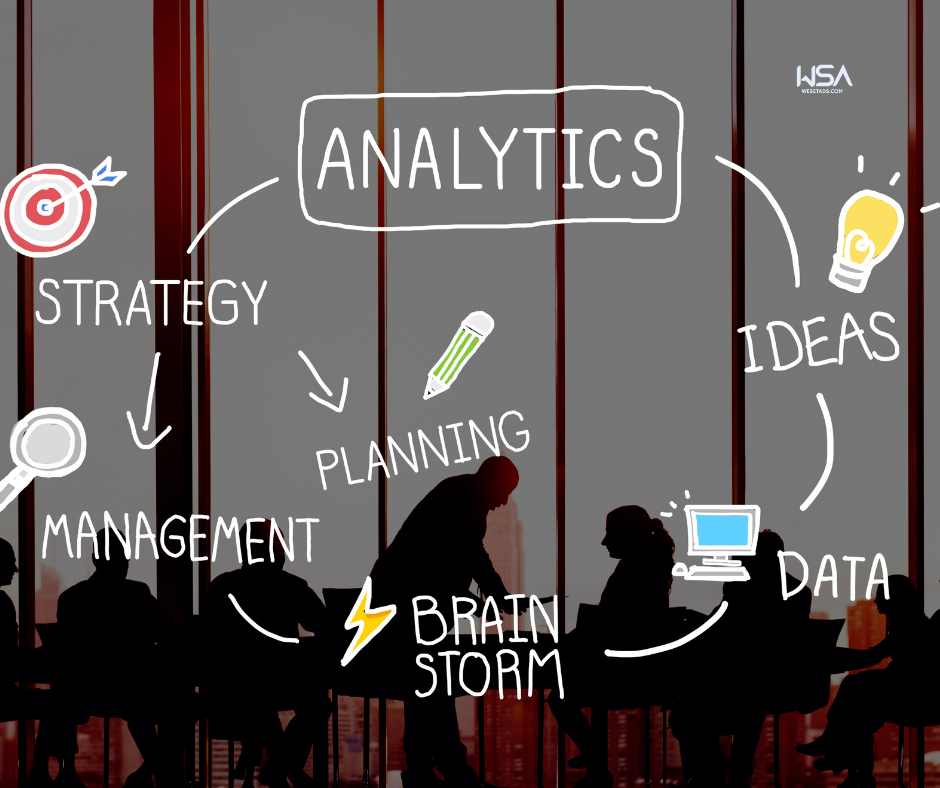
At the heart of every successful marketing campaign lies a set of timeless principles—and Behavioral Marketing Strategies are no exception. These strategies are rooted in three powerful pillars: data-driven insights, personalization, and timing. Together, they shape how businesses understand and respond to their customers in real time.
Unlike traditional marketing methods that depend on assumptions, Behavioral Marketing Strategies thrive on real behavioral data. They interpret how consumers interact across multiple channels—websites, apps, emails, and social media—and then use that information to deliver hyper-relevant messages. This shift from intuition to data-driven marketing has completely redefined how brands engage their audiences.
Personalization is another crucial principle behind these strategies. Modern customers crave experiences that feel made for them. When a brand uses Behavioral Marketing Strategies to send a product recommendation based on browsing history or trigger an email when a cart is abandoned, that’s personalization in action. This not only enhances customer engagement but also builds emotional loyalty.
Finally, timing is everything. Even the most relevant message will fall flat if delivered at the wrong moment. Behavioral Marketing Strategies leverage predictive analytics to identify the best time to reach each customer, maximizing the chances of conversion.These principles together make behavioral marketing so powerful—it’s not about marketing harder but marketing smarter. The ability to understand behaviors, act at the right moment, and deliver personalized value transforms one-time buyers into long-term brand advocates.
Data-Driven Decision-Making in Behavioral Marketing Strategies
One of the most defining features of Behavioral Marketing Strategies is their reliance on data-driven decision-making. Instead of guessing what customers might want, marketers today rely on behavioral analytics to uncover actionable insights. Every click, scroll, and purchase provides valuable data that shapes the customer journey.
With this data, businesses can segment audiences, predict buying intent, and deliver campaigns that align with actual user behavior. For example, if analytics show that users abandon carts after viewing shipping costs, Behavioral Marketing Strategies can trigger targeted messages offering free shipping—converting lost opportunities into sales.
The power of data-driven marketing lies in its accuracy. By studying metrics like time on site, bounce rates, and engagement levels, companies can refine content strategies, ad placements, and offers with pinpoint precision. Instead of broad assumptions, they operate on facts, improving both efficiency and ROI.
Moreover, integrating predictive analytics allows businesses to anticipate what customers will do next. This transforms marketing from reactive to proactive. When Behavioral Marketing Strategies are fueled by real-time insights, every marketing move becomes intentional, measurable, and profitable.In a world overflowing with data, the brands that succeed are those that know how to interpret and act on it. Data-driven decisions ensure that Behavioral Marketing Strategies remain agile, customer-centric, and always one step ahead of consumer expectations.
Personalization and Relevance in Behavioral Marketing Strategies
If there’s one word that defines modern marketing, it’s personalization—and that’s where Behavioral Marketing Strategies truly shine. Today’s consumers expect brands to treat them as individuals, not just numbers in a database. They want recommendations that reflect their tastes, communications that match their preferences, and offers that feel just right.
Behavioral Marketing Strategies achieve this by using behavioral segmentation—dividing customers based on actions rather than demographics. This means grouping users by what they do: pages visited, products viewed, or emails opened. From there, brands can send personalized offers or content designed specifically for that behavior pattern.
For example, an e-commerce brand might use Behavioral Marketing Strategies to identify frequent shoppers and offer them VIP discounts, while showing first-time visitors beginner-friendly product guides. This level of customization builds stronger connections and improves conversion rates.
Relevance is equally critical. Even the best message fails if it doesn’t resonate. By analyzing consumer behavior, marketers can craft campaigns that speak to real interests and needs. Combined with real-time analytics, personalization transforms static advertising into dynamic, living communication that evolves with the customer.Ultimately, Behavioral Marketing Strategies allow brands to deliver the right message, to the right person, at the right moment—every time. And when customers feel seen and understood, loyalty follows naturally.
Timing and Context in Behavioral Marketing Strategies
You’ve probably heard the saying, “Timing is everything.” In marketing, that couldn’t be truer. Behavioral Marketing Strategies rely heavily on timing and context to ensure every message lands exactly when a customer is most likely to engage.
Imagine this: a user browses your website for hiking gear but doesn’t buy. A few hours later, they receive an email offering 10% off hiking boots. That’s not luck—that’s Behavioral Marketing Strategies using data to deliver contextually relevant communication.
Timing depends on understanding behavioral signals. When does your audience browse? What devices do they use? At what time do they engage most? Advanced tools powered by predictive analytics answer these questions and automate campaigns to match those patterns.
Context is equally powerful. It’s not enough to know when someone engages; you must understand why. For example, sending promotional messages during holidays or after key life events can make interactions feel thoughtful and human. Brands using Behavioral Marketing Strategies to align timing with emotional context outperform competitors by creating experiences that feel serendipitous rather than strategic.Perfect timing turns marketing into magic. By mastering timing and context through Behavioral Marketing Strategies, brands transform fleeting interest into meaningful engagement—and engagement into loyalty.
How Behavioral Marketing Strategies Work in Practice
So how do Behavioral Marketing Strategies actually function in real-world marketing campaigns? At their core, these strategies are powered by data—specifically, insights drawn from how customers interact with your brand across digital platforms. From website clicks and social media activity to email responses and purchase patterns, every action a user takes reveals their interests, intent, and preferences.
Marketers collect and analyze these behavioral signals to create highly targeted campaigns. Using advanced data analytics tools, they identify trends such as frequent browsing of certain products, recurring purchase habits, or time spent on specific pages. These observations form the foundation of Behavioral Marketing Strategies, enabling marketers to craft personalized messages that align perfectly with each stage of the customer journey.
For instance, if a visitor adds items to their cart but doesn’t check out, a follow-up email offering a small discount or reminder can reignite their interest. This is behavioral targeting in motion—reacting intelligently to consumer actions.
Another key aspect of how Behavioral Marketing Strategies work is the automation process. With AI and machine learning tools, brands can trigger marketing responses in real time. This not only saves time but ensures messages are timely and relevant.Ultimately, Behavioral Marketing Strategies transform raw data into actionable insights. By listening to what consumers do instead of what they say, marketers can engage customers with precision and empathy, creating experiences that feel personal rather than promotional.
Data Collection: Tracking User Behavior Across Channels
Data collection is the backbone of all Behavioral Marketing Strategies. Without accurate behavioral data, personalization simply isn’t possible. Today’s marketers use advanced tools like Google Analytics, heat maps, cookies, and CRM systems to track how users behave online. Every click, view, and interaction adds another piece to the customer puzzle.
Behavioral data typically falls into four categories—transactional, engagement, navigational, and attitudinal data. Transactional data includes purchase history; engagement data shows how users interact with emails or ads; navigational data reveals browsing patterns; and attitudinal data highlights satisfaction or intent through surveys or reviews. Together, these insights fuel data-driven marketing.
For example, if analytics reveal that users often abandon carts at the payment stage, businesses can use Behavioral Marketing Strategies to introduce personalized solutions, like offering guest checkout or displaying trust badges to reduce hesitation.
However, effective behavioral data collection isn’t just about gathering information—it’s about understanding context. Marketers must comply with privacy laws such as GDPR and ensure transparency in how data is used. Customers are more willing to share their information when they see tangible value in return, such as personalized recommendations or exclusive offers.In summary, Behavioral Marketing Strategies rely on smart, ethical, and transparent data collection practices. By listening to user behavior across all channels, brands can craft a 360-degree understanding of their audience, leading to more relevant and successful marketing campaigns.
Segmentation: Dividing Audiences Based on Behavioral Data
Segmentation is where the magic of Behavioral Marketing Strategies truly happens. Rather than treating all customers the same, segmentation allows marketers to group them based on actions, preferences, and behavioral patterns. This ensures every message resonates deeply with its intended audience.
Traditional segmentation divides customers by demographics—age, gender, or location. But Behavioral Marketing Strategies go far beyond that. They segment audiences by how they behave: products viewed, content consumed, purchasing frequency, and even how long they’ve been loyal customers.
For instance, a streaming platform might use behavioral segmentation to identify “binge-watchers,” “occasional viewers,” and “trial users.” Each group then receives a different message: reminders for trial users, exclusive offers for binge-watchers, and renewal prompts for loyal subscribers.
The strength of Behavioral Marketing Strategies lies in how granular this segmentation can get. Marketers can use predictive analytics to anticipate future actions—like which users are likely to churn—and intervene with tailored incentives to retain them.
Segmentation also allows brands to personalize user experiences at scale. Through AI-driven automation, Behavioral Marketing Strategies ensure that every customer interaction, whether an ad or an email, aligns perfectly with their unique preferences and behavior.
Ultimately, behavioral segmentation turns marketing from a scattershot effort into a precision tool—creating engagement that feels natural, helpful, and individualized.
Implementation: Executing Data-Based Campaigns for Engagement
Once the data is collected and audiences are segmented, the next step in Behavioral Marketing Strategies is implementation—putting insights into action through personalized campaigns. This is where brands move from analysis to engagement, transforming data into meaningful customer experiences.
Execution begins by mapping the customer journey. This visual roadmap outlines every touchpoint where a customer interacts with the brand—from awareness to purchase and beyond. By aligning behavioral data with these touchpoints, marketers can design campaigns that nurture relationships at every stage.
For example, an e-commerce brand may use Behavioral Marketing Strategies to send personalized email reminders to users who abandon their carts or to recommend related items post-purchase. Similarly, a SaaS company might trigger in-app tutorials when a user struggles with a new feature.
Technology plays a crucial role here. Marketing automation platforms, CRM software, and AI-driven recommendation engines enable brands to deliver these tailored experiences instantly. When powered by predictive analytics, Behavioral Marketing Strategies become proactive—anticipating customer needs before they even arise.
The ultimate goal of implementation is engagement. Campaigns built on behavioral insights don’t just reach customers—they resonate with them. By combining timing, relevance, and personalization, Behavioral Marketing Strategies turn marketing communication into authentic connection.
Brands that master implementation not only increase conversions but also cultivate loyalty and trust, creating long-term value for both the customer and the business.
Key Components of Effective Behavioral Marketing Strategies
Personalization: Tailoring Experiences Based on Customer Behavior
Personalization is at the heart of successful Behavioral Marketing Strategies. In today’s competitive digital landscape, customers expect brands to understand their preferences, habits, and buying intent. Personalization uses data-driven marketing insights—such as browsing history, purchase frequency, and engagement levels—to create highly relevant content and offers for each individual. This approach goes beyond simply addressing the customer by name; it’s about delivering experiences that align with their unique journey and behavior.
Through advanced audience segmentation and predictive analytics, marketers can craft personalized campaigns that feel authentic and timely. For example, if a user frequently explores fitness products, sending tailored recommendations or workout content enhances engagement and conversion. These targeted interactions help brands strengthen customer relationships and foster loyalty.
The strength of Behavioral Marketing Strategies lies in understanding that personalization is not a one-time effort but an ongoing optimization process. Every click, view, and purchase provides new behavioral data that can be used to refine future campaigns. Businesses leveraging this continuous learning cycle can predict customer intent more accurately and respond in real time.
When implemented strategically, personalization transforms generic marketing into meaningful connections. It allows brands to anticipate needs, deliver contextual offers, and create value-driven experiences. Combining behavioral targeting with emotional appeal ensures your customers feel understood, appreciated, and valued—leading to improved satisfaction and long-term retention.
Automation: Using Technology to Enhance Marketing Efficiency
Automation plays a transformative role in Behavioral Marketing Strategies, enabling marketers to scale personalization and maintain consistent communication across multiple channels. By integrating automation tools, businesses can automatically trigger campaigns based on user behavior, ensuring that the right message reaches the right customer at the right time—without manual intervention.
For example, when a customer abandons their shopping cart, an automated email reminder with a personalized offer can rekindle interest and drive conversions. Similarly, marketing automation systems can segment audiences based on behavioral data and deliver customized campaigns—such as re-engagement messages, loyalty rewards, or product recommendations—based on customer activity.
These data-driven marketing techniques not only save time but also improve accuracy. Predictive analytics and AI-driven automation help marketers analyze vast amounts of behavioral data, optimizing future campaigns for higher performance. The automation layer ensures seamless integration of multiple touchpoints—email, SMS, social media, and website engagement—resulting in a cohesive customer experience.
The beauty of Behavioral Marketing Strategies lies in combining automation with human insight. While automation enhances efficiency, human creativity ensures empathy and authenticity. This balance allows businesses to nurture leads effectively and maintain real-time engagement. Automation doesn’t replace personalization—it empowers it by delivering smarter, faster, and more relevant communication that aligns perfectly with each stage of the customer journey.
Ultimately, automation transforms behavioral marketing from reactive efforts into proactive growth systems, allowing brands to stay ahead in today’s fast-paced digital ecosystem.
Timing and Context in Delivering Messages
Timing and context are critical components of effective Behavioral Marketing Strategies. Even the most compelling message can lose impact if delivered at the wrong time or in an irrelevant context. Understanding when and why customers engage with your brand helps you align marketing efforts with real-time intent, improving both engagement and conversion rates.
Behavioral data provides valuable insights into optimal interaction windows—such as when users open emails, browse products, or engage with social content. With the help of marketing automation and predictive analytics, brands can schedule campaigns at peak engagement times. For instance, a personalized offer sent shortly after a product view can dramatically increase the likelihood of purchase.
Equally important is the context in which the message appears. Data-driven marketing ensures that every touchpoint—be it a push notification, email, or social media ad—fits naturally into the user’s experience. A well-timed recommendation after a customer action feels intuitive rather than intrusive. This contextual alignment reinforces brand trust and makes marketing interactions more meaningful.
Successful Behavioral Marketing Strategies combine precise timing, contextual relevance, and personalization to deliver seamless communication across the buyer journey. By leveraging automation and segmentation, brands can anticipate customer needs and meet them at the most receptive moments. This approach transforms marketing from interruptive advertising into value-based engagement.
In essence, timing and context bridge the gap between behavioral insight and customer satisfaction. Brands that master these elements not only achieve higher conversion rates but also cultivate long-term loyalty through thoughtful, customer-centric marketing execution.
Types of Behavioral Marketing Strategies Used by Successful Brands

Retargeting and Remarketing Techniques
One of the most effective Behavioral Marketing Strategies used by successful brands is retargeting and remarketing. These methods focus on re-engaging users who previously interacted with a brand but didn’t complete a purchase or desired action. By tracking browsing behavior and engagement history, brands can serve relevant ads or personalized messages to draw users back.
For instance, if a customer views a product and leaves without buying, a retargeting ad on social media or Google can remind them about it, often including a discount or limited-time offer. This subtle reminder can significantly increase conversions and keep the brand top-of-mind.
Remarketing emails work similarly—by re-engaging inactive customers with personalized product recommendations or abandoned cart notifications. These Behavioral Marketing Strategies help businesses recover lost sales, build familiarity, and maintain consistent engagement throughout the buyer journey.
Email Segmentation and Personalized Communication
Email segmentation remains a cornerstone of Behavioral Marketing Strategies. Instead of sending the same content to every subscriber, brands divide audiences into segments based on user behavior, demographics, and purchase intent. This approach ensures every message feels personal, relevant, and timely.
For example, e-commerce brands send customized offers to repeat buyers and welcome emails to new subscribers. Behavioral triggers—such as clicks, downloads, or purchases—activate tailored email workflows that increase open and conversion rates.
These data-driven marketing methods enhance customer satisfaction while minimizing email fatigue. Through segmentation and behavioral triggers, brands deliver communication that resonates with each recipient’s stage in the customer journey, ultimately improving loyalty and engagement.
Predictive Analytics for Customer Journey Optimization
Predictive analytics has revolutionized Behavioral Marketing Strategies by helping brands anticipate customer needs before they act. Using AI and machine learning, marketers analyze behavioral data—like purchase frequency, browsing patterns, and engagement—to forecast future actions.
For instance, predictive models can identify customers likely to churn and trigger re-engagement campaigns proactively. Similarly, they can recommend products or services that match a customer’s previous interests.
This approach ensures seamless customer journey optimization, allowing brands to personalize at scale and stay one step ahead. Predictive analytics empowers businesses to make smarter, data-driven decisions that enhance conversion rates and long-term customer retention.
Dynamic Website Content Personalization
Dynamic website content personalization is another powerful element of Behavioral Marketing Strategies. It allows brands to tailor on-site experiences in real time based on visitor behavior, location, and preferences.
When users land on a website, AI-driven personalization engines adjust product recommendations, banners, or offers depending on browsing history or past purchases. This creates a smoother and more relevant user experience, increasing engagement and time spent on site.Such behavioral targeting not only drives conversions but also builds trust by showing customers that the brand understands their needs. Successful companies use this strategy to make every visit unique, creating stronger connections and higher satisfaction rates.
Behavioral Marketing Strategies: The Complete Guide for Modern Marketers
Behavioral Segmentation in Marketing Strategies
Behavioral segmentation is one of the most powerful pillars of Behavioral Marketing Strategies. It involves dividing an audience based on their behaviors—such as purchasing habits, website interactions, and engagement patterns—rather than just demographics. This method allows marketers to create highly targeted campaigns that resonate with real consumer actions. By analyzing user journeys and purchase intent, brands can tailor communication to meet customers exactly where they are in the decision-making process.
Successful Behavioral Marketing Strategies leverage behavioral segmentation to boost relevance and conversion rates. For example, identifying customers who frequently browse but don’t buy helps marketers design personalized retargeting campaigns or offer time-sensitive discounts. Unlike broad targeting, behavioral segmentation provides actionable insights that fuel precise, data-driven marketing decisions.
Difference Between Demographic and Behavioral Segmentation
While demographic segmentation classifies customers based on age, gender, income, or location, behavioral segmentation dives deeper into why and how people buy. Behavioral Marketing Strategies prioritize intent, engagement, and emotional triggers, making campaigns more contextual and effective.
For example, two individuals in the same demographic group might have entirely different online behaviors—one might engage through social media ads, while the other responds to email campaigns. By understanding these differences, marketers can optimize touchpoints and deliver meaningful experiences. Behavioral segmentation thus bridges the gap between generic marketing and personalized engagement, enabling brands to communicate with precision and empathy.
Using Psychographic and Behavioral Insights for Targeting
Psychographic and behavioral insights combined make Behavioral Marketing Strategies even more powerful. Psychographics analyze customers’ lifestyles, values, and motivations, while behavioral data tracks their real-time actions.
When brands integrate these insights, they can target audiences not only by what they do but also by why they do it. For example, an eco-conscious shopper may prefer sustainable brands, and behavioral data will confirm this through repeat purchases of green products.
This blend allows marketers to create emotionally resonant, data-backed campaigns that speak directly to customer intent—boosting engagement, conversions, and brand loyalty.
How Behavioral Marketing Strategies Enhance Segmentation Precision
Behavioral Marketing Strategies enhance segmentation precision by using real-time data and predictive analytics. Instead of static audience segments, behavioral segmentation evolves continuously as new user data flows in. This dynamic approach helps brands deliver hyper-relevant messages and recommendations based on the latest customer interactions.
For instance, predictive models can determine which users are most likely to purchase or unsubscribe, allowing marketers to tailor campaigns accordingly. This precision not only improves ROI but also creates a smoother and more personalized buyer journey, strengthening customer relationships at every stage.
The Role of Data in Behavioral Marketing Strategies
Collecting and Analyzing Consumer Data Ethically
Data collection lies at the core of Behavioral Marketing Strategies, but ethical use is essential. Brands must gather behavioral data—like browsing activity, product views, or time spent on site—transparently and with user consent. Ethical data collection builds trust, which is crucial for long-term customer retention.
By leveraging analytics tools and AI-driven insights responsibly, marketers can understand consumer needs without compromising privacy. Transparency and compliance with data protection regulations like GDPR are key to maintaining credibility while delivering personalized, data-driven marketing experiences.
Using CRM and Website Analytics for Actionable Insights
Customer Relationship Management (CRM) systems and website analytics are vital tools for implementing effective Behavioral Marketing Strategies. CRMs track customer touchpoints—purchases, emails, service interactions—while analytics tools reveal behavioral trends such as bounce rates and click paths.
By combining these insights, marketers can identify high-value segments, predict churn, and personalize communications. For example, if analytics show repeated visits to a specific product page, CRM data can trigger a follow-up email with a tailored offer. These integrated insights help marketers create responsive campaigns that align perfectly with customer intent.
Data Privacy and Compliance in Behavioral Marketing Strategies
Privacy and compliance are non-negotiable elements of Behavioral Marketing Strategies. With increasing data regulations, brands must prioritize transparency and secure handling of customer information. Implementing consent mechanisms, anonymizing sensitive data, and adhering to local privacy laws build trust and protect brand reputation.
Marketers must communicate clearly about data use and provide opt-out options. Respecting privacy strengthens credibility and ensures that behavioral targeting enhances customer experiences ethically, fostering stronger and more sustainable relationships.
Integrating Behavioral Marketing Strategies with Digital Campaigns
Applying Behavioral Marketing Strategies in Social Media Marketing
Social media is a dynamic platform for Behavioral Marketing Strategies. By tracking user interactions—likes, shares, comments, and content engagement—brands can deliver hyper-targeted ads and personalized posts. Behavioral insights help marketers segment audiences by interests, activity, and engagement frequency, ensuring messages feel relevant and timely.
For instance, a brand might show specific content to users who engaged with similar posts in the past. These targeted campaigns increase click-through rates and brand loyalty by speaking directly to customer preferences and online habits.
How SEO and Content Marketing Benefit from Behavioral Insights
SEO and content marketing thrive when powered by Behavioral Marketing Strategies. Behavioral insights reveal what topics users search for, which pages they visit most, and where they drop off. Marketers can use this data to optimize keywords, improve user experience, and craft content that aligns with user intent.
For example, understanding that visitors frequently view “how-to” guides can guide future content creation. When combined with data-driven marketing, behavioral insights help brands produce high-performing SEO content that attracts, engages, and converts the right audience.
Integrating Email and PPC Campaigns for Better Engagement
Email and PPC campaigns become significantly more effective when integrated with Behavioral Marketing Strategies. Behavioral data enables precise targeting—showing ads or sending emails to users based on past actions.
For example, if a customer clicks an ad but doesn’t purchase, an automated follow-up email can remind them of the product or offer a discount. This synchronized approach increases conversions, ensures message consistency, and maintains engagement throughout the buyer journey.
Tools and Technologies Powering Behavioral Marketing Strategies
Best Analytics Tools for Behavioral Insights
Top-performing Behavioral Marketing Strategies rely on robust analytics tools like Google Analytics, Hotjar, and Mixpanel. These tools track user interactions, heatmaps, and funnel paths to reveal behavioral trends.
Marketers use these insights to refine content, improve UX, and target segments more effectively. By combining quantitative and qualitative data, analytics platforms help brands make informed, data-driven marketing decisions that enhance overall performance and customer engagement.
Marketing Automation Software for Behavioral Marketing Strategies
Automation tools like HubSpot, ActiveCampaign, and Marketo power Behavioral Marketing Strategies by streamlining repetitive tasks and personalizing outreach. These platforms trigger campaigns automatically based on user actions—such as clicks, sign-ups, or abandoned carts.
Automation ensures consistent communication while allowing marketers to scale personalization across large audiences. It saves time, increases efficiency, and enhances the customer experience through timely, behavior-based engagement.
AI and Machine Learning in Predictive Marketing
AI and machine learning are revolutionizing Behavioral Marketing Strategies through predictive analytics. These technologies analyze historical data to forecast customer behavior, helping brands anticipate needs and optimize marketing spend.
Predictive models can identify potential buyers, recommend products, and even prevent churn by detecting early warning signs. This intelligent automation creates a seamless, proactive customer experience that feels both personal and efficient.
Behavioral Marketing Strategies for E-Commerce Businesses
How E-Commerce Brands Personalize User Experiences
E-commerce brands excel at using Behavioral Marketing Strategies to personalize user experiences. By analyzing browsing patterns, purchase history, and engagement data, online stores can deliver product recommendations that match individual preferences.
Dynamic homepages, customized offers, and retargeting campaigns make customers feel understood and valued, leading to higher satisfaction and repeat purchases.
Using Behavioral Marketing Strategies to Reduce Cart Abandonment
Cart abandonment is a major challenge for online retailers, but Behavioral Marketing Strategies offer effective solutions. Automated reminders, personalized discounts, and remarketing ads help re-engage customers who left items behind.
Behavioral triggers—like time spent on a product page or items added to cart—activate real-time communication that nudges users back to complete their purchase, reducing lost revenue and improving conversion rates.
Upselling and Cross-Selling Through Behavioral Insights
Upselling and cross-selling thrive when guided by Behavioral Marketing Strategies. By analyzing purchase history and browsing behavior, brands can recommend complementary or upgraded products.
For example, suggesting accessories after a main purchase adds value to the customer experience and boosts average order value. Behavioral data ensures these recommendations feel natural, not pushy—enhancing both customer satisfaction and business growth.
Challenges in Implementing Behavioral Marketing Strategies
Common Mistakes Marketers Make
Even strong Behavioral Marketing Strategies can fail if executed poorly. Common mistakes include over-segmentation, neglecting data hygiene, or sending irrelevant messages. These errors can frustrate customers and reduce engagement.
The key is maintaining data accuracy, testing campaigns regularly, and balancing personalization with simplicity. A thoughtful, data-driven approach ensures consistency and long-term success.
Overcoming Data Privacy and Ethical Challenges
Data privacy remains a major concern in Behavioral Marketing Strategies. Marketers must comply with regulations, be transparent about data usage, and ensure secure storage. Clear consent mechanisms and anonymization help maintain compliance while protecting customer trust.
Ethical data use strengthens brand reputation and fosters loyalty—making privacy a competitive advantage, not a limitation.
Balancing Automation with Human Touch
While automation enhances efficiency, the best Behavioral Marketing Strategies combine technology with empathy. Automated campaigns should still reflect brand personality and human understanding.
Regular content review, personalization audits, and genuine storytelling ensure automation feels authentic. Balancing both elements leads to meaningful engagement and stronger customer relationships.
Case Studies: Brands Winning with Behavioral Marketing Strategies
How Amazon and Netflix Use Behavioral Marketing Strategies
Global leaders like Amazon and Netflix set benchmarks for Behavioral Marketing Strategies. Amazon uses browsing and purchase data to recommend products in real time, while Netflix leverages viewing habits to suggest shows users are likely to enjoy.
Both companies use advanced AI algorithms to personalize every interaction, proving the power of behavioral targeting in driving engagement and retention.
Lessons from Top-Performing Behavioral Campaigns
Successful Behavioral Marketing Strategies share common traits—data accuracy, personalization, and consistency. Top brands use cross-channel data integration to understand customers holistically and engage them with relevant, timely messages.
These lessons emphasize the importance of aligning marketing technology, content, and strategy around real customer behavior.
Real-World Results from Data-Driven Marketing
Brands implementing Behavioral Marketing Strategies report higher conversion rates, stronger loyalty, and better ROI. Data-driven marketing transforms insights into action, enabling brands to deliver personalized, scalable, and impactful campaigns across all touchpoints.
The Future of Behavioral Marketing Strategies

AI, Predictive Analytics, and Real-Time Personalization
The future of Behavioral Marketing Strategies lies in AI-powered personalization. Real-time data processing will allow brands to adapt instantly to user behavior, offering customized experiences across digital channels. Predictive analytics will further refine targeting, ensuring marketing remains relevant and impactful.
The Growing Role of Privacy-First Marketing
As privacy concerns rise, Behavioral Marketing Strategies will evolve toward consent-based, transparent approaches. Privacy-first marketing will strengthen consumer trust while maintaining personalization through ethical data collection.
Trends Shaping the Next Decade of Behavioral Marketing Strategies
Emerging trends like voice search, zero-party data, and immersive experiences will redefine Behavioral Marketing Strategies. Marketers who blend technology, empathy, and ethics will lead the next wave of customer-centric innovation.
Conclusion: Why Every Marketer Needs Behavioral Marketing Strategies
Recap of Benefits and Best Practices
Behavioral Marketing Strategies empower brands to understand, predict, and influence customer behavior. By combining analytics, automation, and personalization, marketers can create data-driven experiences that convert and retain customers effectively.
How to Start Implementing Behavioral Marketing Strategies Today
Start by analyzing behavioral data from your website, CRM, and social media. Segment audiences based on actions, implement automation tools, and test personalized campaigns. Over time, optimize based on performance metrics to achieve scalable success.
The Long-Term Impact of Behavior-Based Marketing on ROI
Long-term, Behavioral Marketing Strategies deliver higher ROI by improving engagement, retention, and customer lifetime value. They transform marketing from guesswork into a measurable, customer-first system that drives sustainable growth.
FAQs About Behavioral Marketing Strategies
1. What is the main purpose of Behavioral Marketing Strategies?
The main goal is to use customer behavior data to create personalized marketing experiences that drive engagement and conversions.
2. How do Behavioral Marketing Strategies improve customer retention?
They build stronger relationships through timely, relevant interactions that make customers feel understood and valued.
3. Which tools help in creating Behavioral Marketing campaigns?
CRM platforms, analytics tools, and automation software like HubSpot, Google Analytics, and ActiveCampaign are commonly used.
4. What are examples of Behavioral Marketing in real life?
Examples include Amazon’s product recommendations, Netflix’s show suggestions, and abandoned cart reminder emails.5. Is Behavioral Marketing ethical and privacy-compliant?
Yes, when brands collect data transparently and comply with regulations, Behavioral Marketing Strategies remain ethical and effective.

